

Winter is a demanding season for any HVAC system, and heat pumps feel that strain more than most. They run continuously to keep your home warm, which naturally leads to wear, reduced efficiency, and buildup on critical components. Here’s a comprehensive spring maintenance checklist for heat pumps.
Why Spring Prep Matters for Heat Pumps
Spring maintenance is essential for any heat pump. Unlike a furnace or a traditional AC system, a heat pump runs year-round, switching between heating and cooling as the seasons change. Air‑source heat pumps in particular face their toughest conditions during winter, when cold temperatures challenge their ability to extract heat efficiently. If you live in Virginia, you may have even relied on supplemental heat at times. This is a clear sign that your system was working harder than usual.
As temperatures warm, spring is the perfect time for a heat pump tune-up. The strain of winter operation often leaves behind dirt buildup, reduced airflow, and minor performance issues that can grow into bigger problems. A well‑timed spring tune‑up restores efficiency, improves comfort, and ensures your heat pump is ready to transition smoothly into cooling mode.
Signs That Your Heat Pump is Overdue for Spring Attention
You can schedule heat pump maintenance at any point during the spring season. In fact, it is often best to arrange it when your schedule is most flexible. This ensures ample time to discuss system performance and address any operational questions with your technician. However, there are situations where waiting is not an option. There are several signs that getting a tune-up sooner than later would benefit your system.
Unusual Noises During Operation
A properly functioning heat pump should run smoothly, without noticeable vibrations or disruptive sounds. Outdoor units typically operate at 40-60 dB, which is similar to a dishwasher hum. Indoor units’ noise levels typically range from 18 to 30 dB. This noise level is akin to a quiet library.
If your heat pump is rattling, it may have loose panels, unsecured screws, or debris caught inside the cabinet. A squealing noise often points to a fan motor that needs lubrication or a worn belt that is beginning to slip. Grinding sounds can indicate failing bearings, while buzzing may signal loose electrical wires.
Turn off your heat pump when you notice these sounds. Allowing your system to continue running will only worsen the damage and put your safety at risk. Once the unit is off, call a professional for maintenance.
Odd Odors
Your heat pump should contribute to cleaner indoor air, not introduce unpleasant smells. When unusual odors begin circulating through your home, something inside the system needs attention. A musty smell may indicate moisture buildup or microbial growth on the coils. A burning odor can indicate overheated components or electrical issues. A sour or rotten smell may be due to stagnant water in the pan, which is usually caused by a clogged drain line or faulty float switch.
Reduced Heating or Cooling Efficiency
If your heat pump is running longer cycles to reach the thermostat setting, it is becoming both ineffective and inefficient. A performance drop often develops slowly, which means that by the time you notice the change, the underlying issue may have been present for weeks or even months.
Reduced heating or cooling efficiency usually indicates airflow restrictions, refrigerant leaks, dirty coils, or worn components that are no longer operating at full capacity. The system compensates by running longer and working harder, which increases energy consumption and accelerates wear.
Reduced efficiency also affects comfort. Rooms may feel unevenly conditioned, or the air from the vents may feel weaker than usual.
A Spike in Energy Bills
When auditing your energy report during and after winter, you will notice a spike in energy consumption. This is normal and expected because your heat pump works harder in cold weather. However, compare your current report with last year’s data. Significant differences that cannot be explained by weather changes, household habits, or rate adjustments often point to a system that is losing efficiency.
Essential Heat Pump Maintenance Checklist for Optimal Performance During Spring
Heat pumps require two maintenance visits each year. Spring service prepares your system for the rigors of summer heat, while fall maintenance ensures reliable performance during cold weather. There are several essential tasks that should be performed in the spring.
Filter Changes
All the airborne particles that circulated through your tightly sealed winter home are still trapped in the filters. Even if the filters do not look particularly dirty, replace them at the start of spring. Giving your heat pump a fresh filter immediately improves airflow, reduces strain on the system, and helps it transition smoothly into cooling season. A clean filter also supports better indoor air quality, which is important after months of closed windows and recycled air.
Clear Debris From Outdoor Unit and Surrounding Area
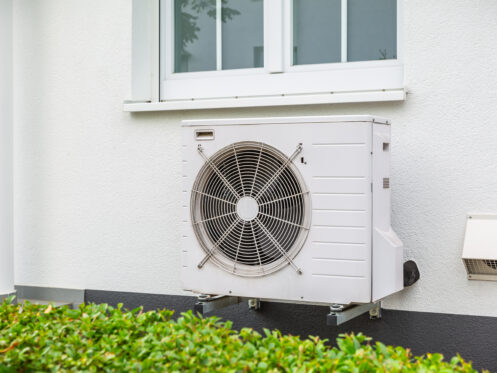
Examine the area around the outdoor heat pump unit and clear away any leaves, branches, or accumulated debris from inside. Remove these obstructions gently with your hands or a soft brush to avoid bending or damaging the delicate fins.
Also, take a moment to check the surrounding space. The outdoor unit needs open, unobstructed airflow to operate at peak performance. For proper airflow, the unit needs three feet of clearance on all sides. You may need to periodically trim away branches from bushes or trees throughout the summer.
Additionally, look for signs of soil erosion or pooling water around the base of the unit. Excess moisture can lead to corrosion or damage to electrical components over time. Ensuring the area drains properly protects the system and supports long‑term reliability.
Schedule Professional Inspection and Maintenance
A licensed and trained HVAC technician will use their expert skills and advanced tools to evaluate every part of your heat pump meticulously. Before they begin, they will ask about any observations you made throughout the winter. Share everything you noticed, even if you are unsure whether it was an actual issue. Small details such as vibrations, slower startups, and sounds that come and go can be important. These observations help your technician pinpoint developing problems that may not be immediately visible during the inspection.
Next, a professional will proceed with a thorough evaluation of the system. Your technician will examine every component, including electrical connections, capacitors, contactors, motors, coils, and sensors. They will look for signs of wear, corrosion, or overheating that may have developed during the winter season.
The technicians will also check refrigerant levels, thermostat responsiveness, airflow, and system cycling. They will correct all the issues they find and recalibrate the system to ensure your heat pump runs the way it should.
Call Meade’s Heating and Air for Professional Heat Pump Maintenance
At Meade’s Heating and Air, we offer our valued clients service agreements that include two multipoint inspections and safety checkups each year. This plan also provides a discounted diagnostic fee, a 10% discount on all repairs, and priority service.
Contact Meade’s Heating and Air today for exceptional heat pump maintenance in Sterling.