You may wonder how frequently you need to schedule furnace maintenance. It’s easy to overlook this task when your system seems to work well, but regular care delivers real benefits. A consistent maintenance schedule keeps your home comfortable, improves efficiency, and gives you a clearer picture of the system’s long-term health. When you understand how often to service your furnace and what happens during a visit, you can make better decisions when it comes to your heating system.
Why Regular Furnace Maintenance Matters
Furnace maintenance supports more than comfort. Homeowners who stick to a consistent schedule enjoy better energy efficiency, improved reliability, fewer breakdowns, and healthier indoor air. A furnace works hard throughout the winter, and its components face heat, stress, vibration, and continuous airflow. Dirt accumulates, and that buildup directly affects how well the system performs. When you treat maintenance as an annual chore, your system has the best chance to run smoothly during the coldest months.
Efficiency Improves When You Stay Consistent
Your furnace runs more efficiently when it stays clean and properly adjusted. Dust, debris, and worn parts force the system to work harder than necessary. Over time, that extra strain raises your utility bills and reduces overall performance. One of our technicians will reduce that burden by cleaning components, tightening connections, checking electrical parts, and ensuring the burners, heat exchanger, and blower work the way they should. Once everything functions smoothly, the furnace uses less energy to warm your home.
Reliability Increases When You Address Issues Early
Small furnace problems rarely remain small. Dirt on the flame sensor, a failing capacitor, or a loose wire can cause your entire system to shut down. When our technicians inspect your system every year, we identify these issues before they disrupt your heating. You gain peace of mind because the furnace will start, run, and heat your home reliably throughout winter.
The Ideal Furnace Service Frequency
Most homes need a single professional tune-up every year. This schedule fits both gas and electric furnaces because each system contains components that require cleaning, inspection, and calibration. A yearly visit gives your system the care it needs before the heating season begins.
Schedule Service Every Fall
The best time to schedule furnace maintenance is early fall. Outdoor temperatures remain mild, and you give the technician plenty of time to correct any emerging issues. When you take care of your system before winter arrives, you avoid the last-minute scramble and reduce the risk of mid-season breakdowns. Early fall service also improves comfort, because your furnace will run at peak performance from the first cold day of the season.
Older Systems Need Extra Attention
Newer furnaces handle an annual visit well, but older units often need more frequent monitoring. When your system reaches 12 to 15 years of age, components wear out more quickly. The furnace might still work, but it may show signs of strain. You can schedule a mid-season check if you notice unusual noises, longer run times, or cold spots throughout the home. Frequent care helps an aging furnace maintain safe and efficient operation until you decide to replace it.
Tasks to Perform Between Visits
You play a major role in furnace maintenance, even with a yearly professional tune-up. Your daily and monthly routines help the system work smoothly and reduce strain. Most tasks require no special tools and only take a few minutes to complete.
Change the Air Filter Regularly
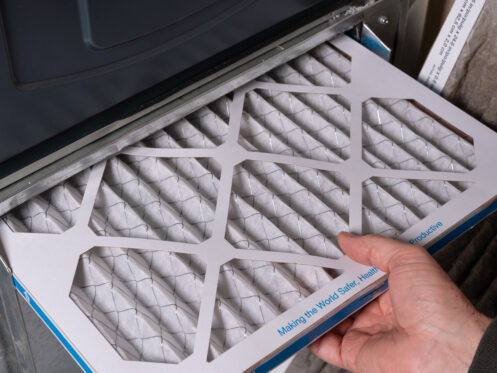
Your furnace depends on steady airflow, and the filter plays the largest role in maintaining that flow. A clogged filter blocks movement and forces the blower to work harder. You can check the filter monthly and replace it whenever it looks dirty. Most homes need a new filter every one to three months. Once the blower receives enough fresh airflow, the furnace runs more efficiently and stays cleaner throughout the heating season.
Keep Vents and Registers Clear
Your vents must remain open and free from obstructions if you want consistent airflow. Furniture, rugs, and clutter often cover registers without you realizing it. When you walk through your home, confirm that each vent opens fully and releases warm air without interference. This simple step will help your furnace distribute heat evenly throughout your living space.
Watch for Unusual Signs
Your furnace communicates its condition through sounds, smells, and performance changes. When you hear rattling, screeching, or grinding, the system likely needs attention. If you notice new drafts or uneven temperatures, the system could be struggling to keep up. Unusual odors also indicate trouble, especially burning or chemical smells. When you stay alert to early warning signs, you give your technician valuable information and prevent worsening problems.
What Professionals Do During a Furnace Tune-Up
A professional furnace maintenance visit covers far more ground than simple tasks. Our technicians examine parts you can’t easily access, measure performance, and run safety tests.
Clean and Inspect Critical Components
We start by opening the furnace cabinet and cleaning buildup from the burners, blower assembly, and flame sensor. We will also check for cracks or corrosion inside the heat exchanger, because this component handles extreme temperature changes every time the furnace runs. A cracked heat exchanger creates a carbon monoxide hazard, so our technicians treat this inspection as a high priority. Once they confirm the heat exchanger’s condition, we move on to electrical parts, wiring, and controls.
Test Gas or Electrical Operation
Gas furnaces require careful testing of ignition, gas pressure, and combustion. Our team verifies proper flame height and color, checks for leaks, and makes sure that components ignite and shut off correctly. Electric furnaces need a different approach. We confirm the condition of heating elements, check for overheating, and verify proper amperage.
Verify Airflow and Temperature Output
Airflow plays a major role in comfort and efficiency. We measure temperature differences between the return and supply air and confirm that the blower motor delivers the right amount of airflow. If the blower struggles or fails to reach the correct speed, our technician investigates the motor, capacitor, and control board. Once the system meets performance expectations, the furnace can heat your home consistently.
The Long-Term Benefits of Staying on Schedule
A consistent maintenance routine supports your furnace’s lifespan. Systems that run clean and well-adjusted often last several years longer than neglected units. You also gain better heating performance throughout the winter, fewer surprise repairs, and more predictable energy costs. When you treat your furnace as a major home investment, routine professional care becomes an easy decision.
Regular Care Protects Your Budget
A well-maintained furnace rarely develops major problems without warning. When our team catches small issues early, you avoid expensive repairs and unexpected failures. That level of foresight helps you plan for future replacement and budget more comfortably.
Maintenance Improves Safety
Safety plays a central role in furnace care. Gas leaks, electrical issues, and heat exchanger problems create serious risks when left unchecked. A technician’s yearly visit ensures safe operation and gives you greater peace of mind as your system runs through the coldest nights of the year.
Reliable Heating Maintenance
You typically only need one professional furnace service each year, ideally in early fall. When you combine a yearly visit with basic at-home tasks like filter changes and vent checks, your system stays in strong condition. At Meade’s Heating and Air, we have been providing heating and cooling services in the Sterling area for years, building trust in the community. Contact us today to schedule heating maintenance.